
Every new market starts with a first auction and a chance to see what happens when the right item meets interested bidders.
Here are a few insights from BidRush market launches. Each standout lot started at just $1, with no reserve:
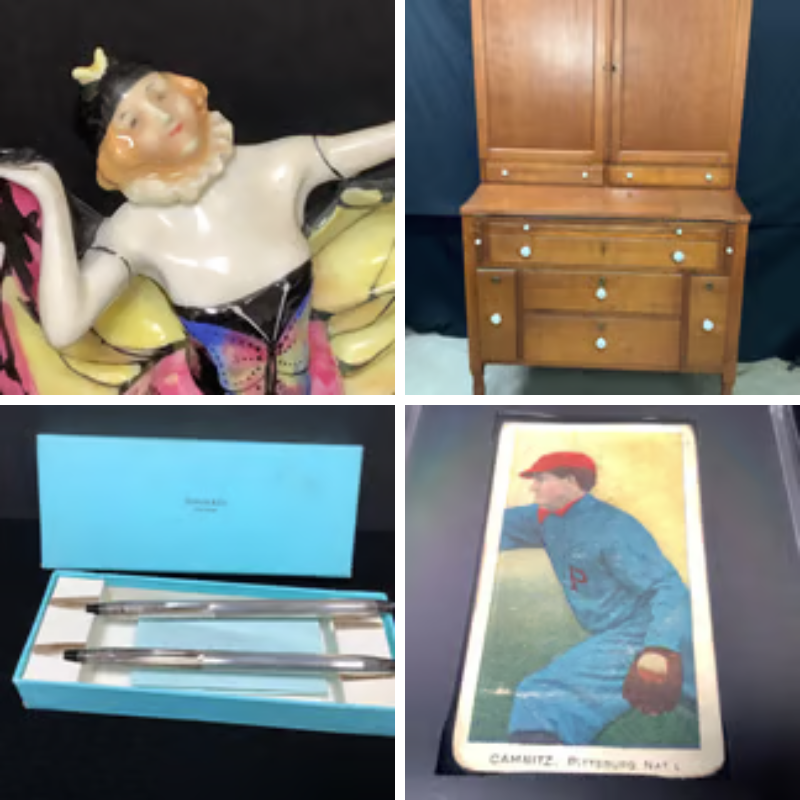
First BidRush Auction in the Boston Area, Massachusetts
A Royal Doulton figurine sold for $1,245 USD after 72 bids.
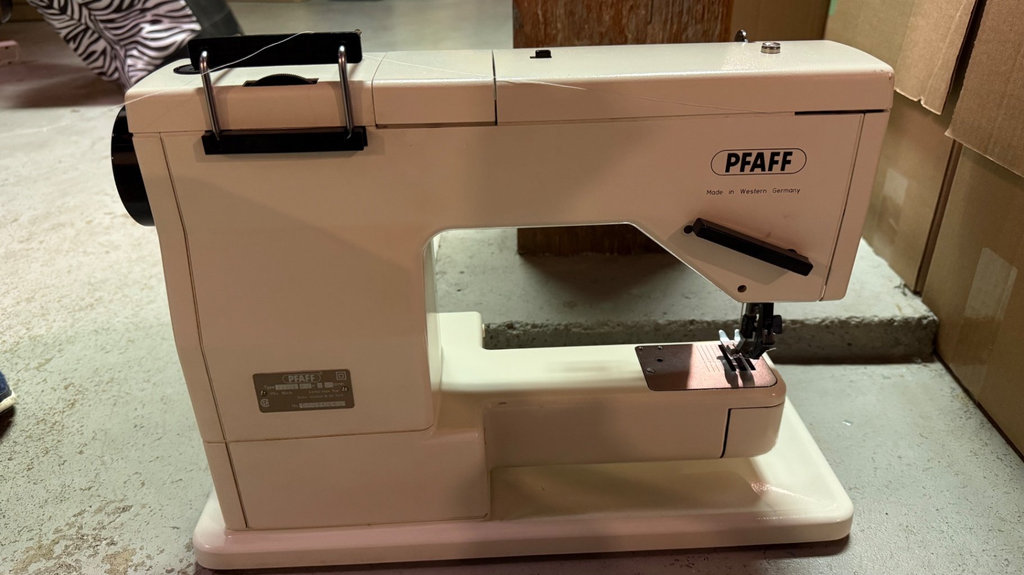
First BidRush Auction in Vancouver, British Columbia
A Pfaff sewing machine with accessories and manuals sold for $490 CAD after 77 bids.
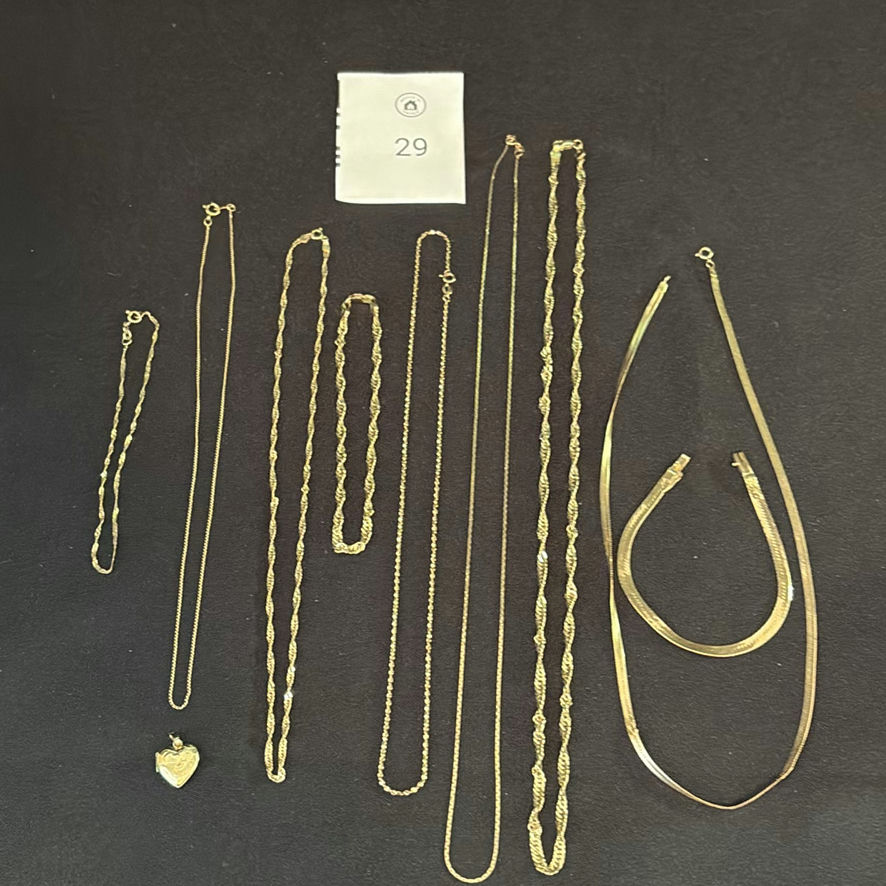
First BidRush Auction in Owen Sound, Ontario
10K gold chains and bracelets sold for $940 CAD after 65 bids.
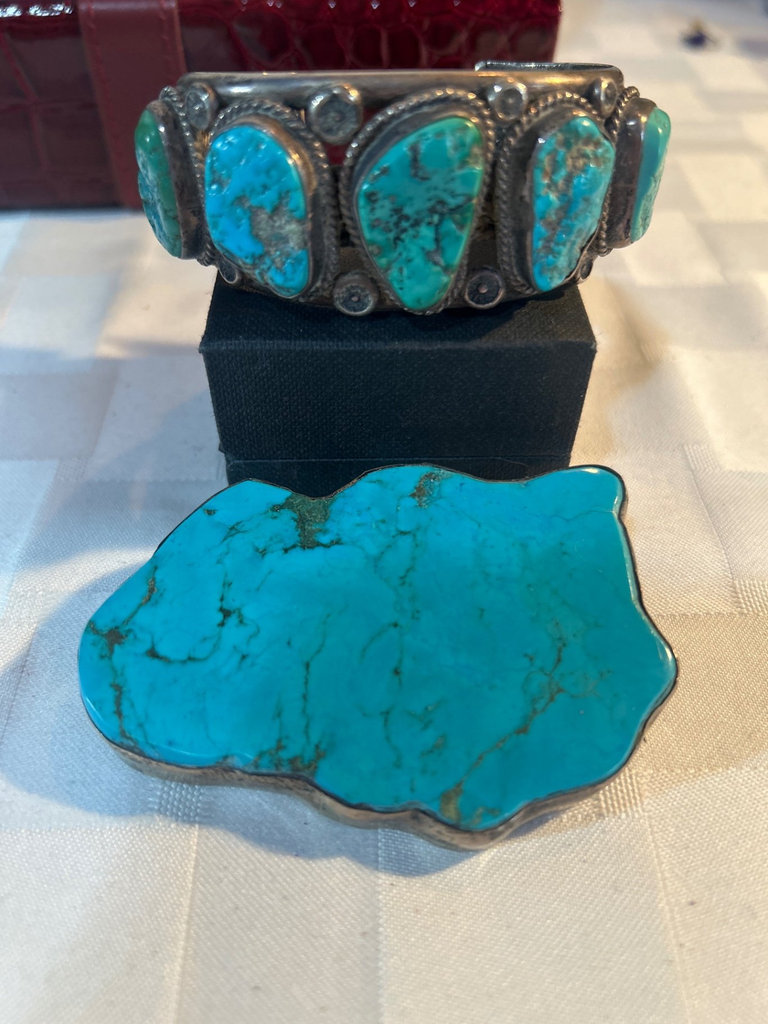
First BidRush Auction in Port Townsend, Washington
A signed sterling and turquoise pin with a cuff bracelet sold for $476 USD after 41 bids.
First BidRush Auction in Caledonia, Ontario
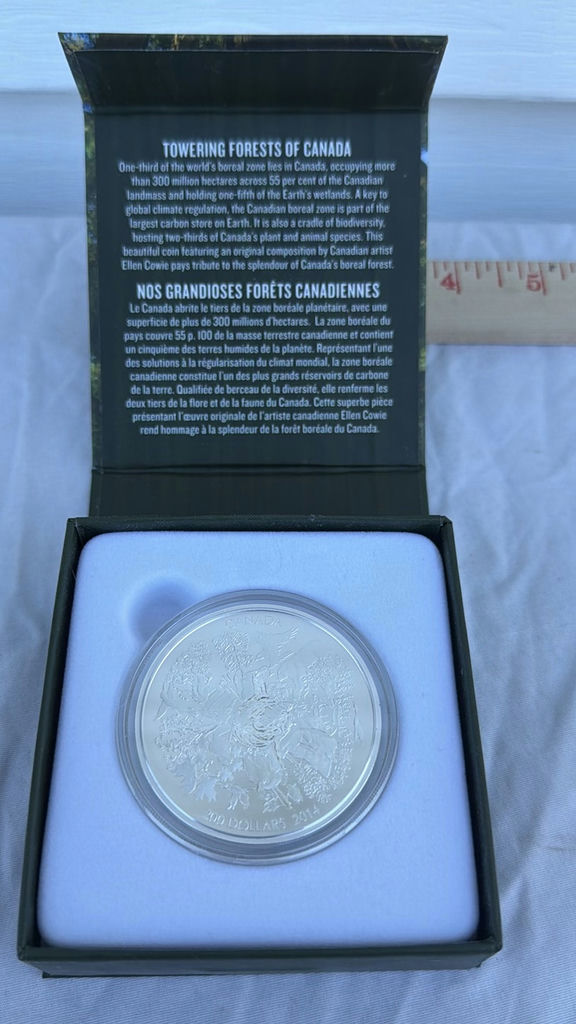
A Royal Canadian Mint $200 silver coin sold for $220 CAD after 33 bids.
First BidRush Auction in Windsor, Ontario
An Apple iPad Pro sold for $740 CAD after 73 bids.

First BidRush Auction in Whitney, Texas
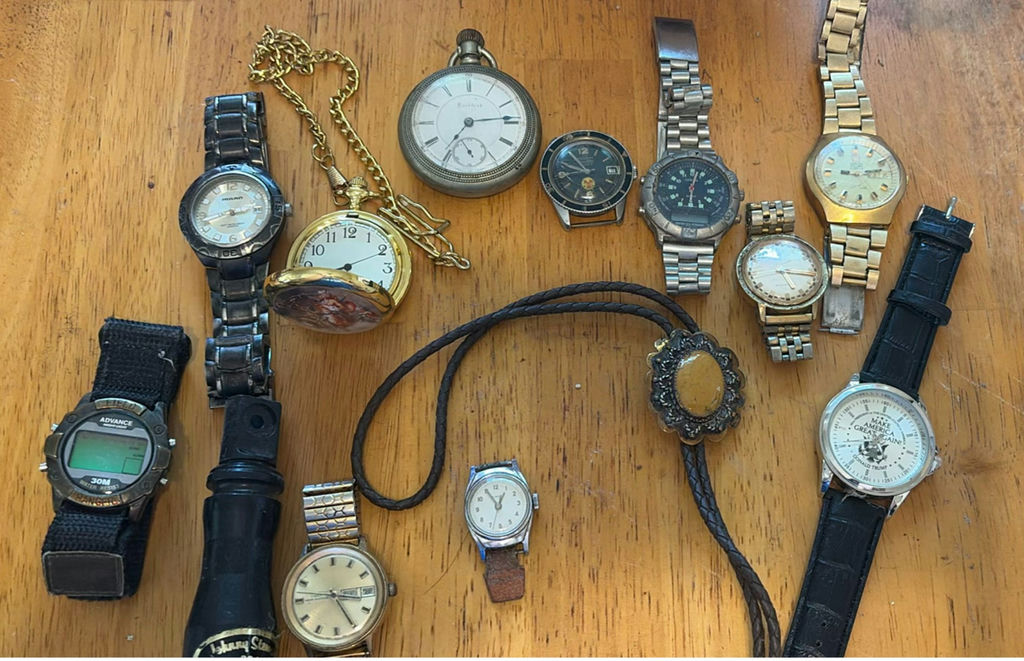
An assortment of wristwatches, pocket watches, and jewelry sold for $6,650 USD after 181 bids.
These results show how much competition can matter. It takes only two bidders competing for an item to push the price beyond what either might have offered on their own. Starting desirable items at $1 can help invite that competition, and these lots show what can happen when bidders want an item.
That doesn’t mean every item will attract a bidding contest. Average, bulky furniture can be difficult to move, and sometimes even donation shops don’t want it. Items commonly found at thrift stores, flea markets, and garage sales rarely command premium prices. An auction made up mostly of everyday leftovers—especially after the more desirable items have been sold elsewhere—can also make it harder to attract buyers. Sellers build a reputation over time, and buyers may be less likely to return when later auctions offer better items.
There’s no miracle price for items with limited demand. But when an item has broad appeal, bringing interested buyers together can create competition and drive a stronger result than a buyout offer or one-to-one sale might. Keep desirable items in the auction: they attract buyers, and a few standout lots can bring more attention to the rest of the sale.